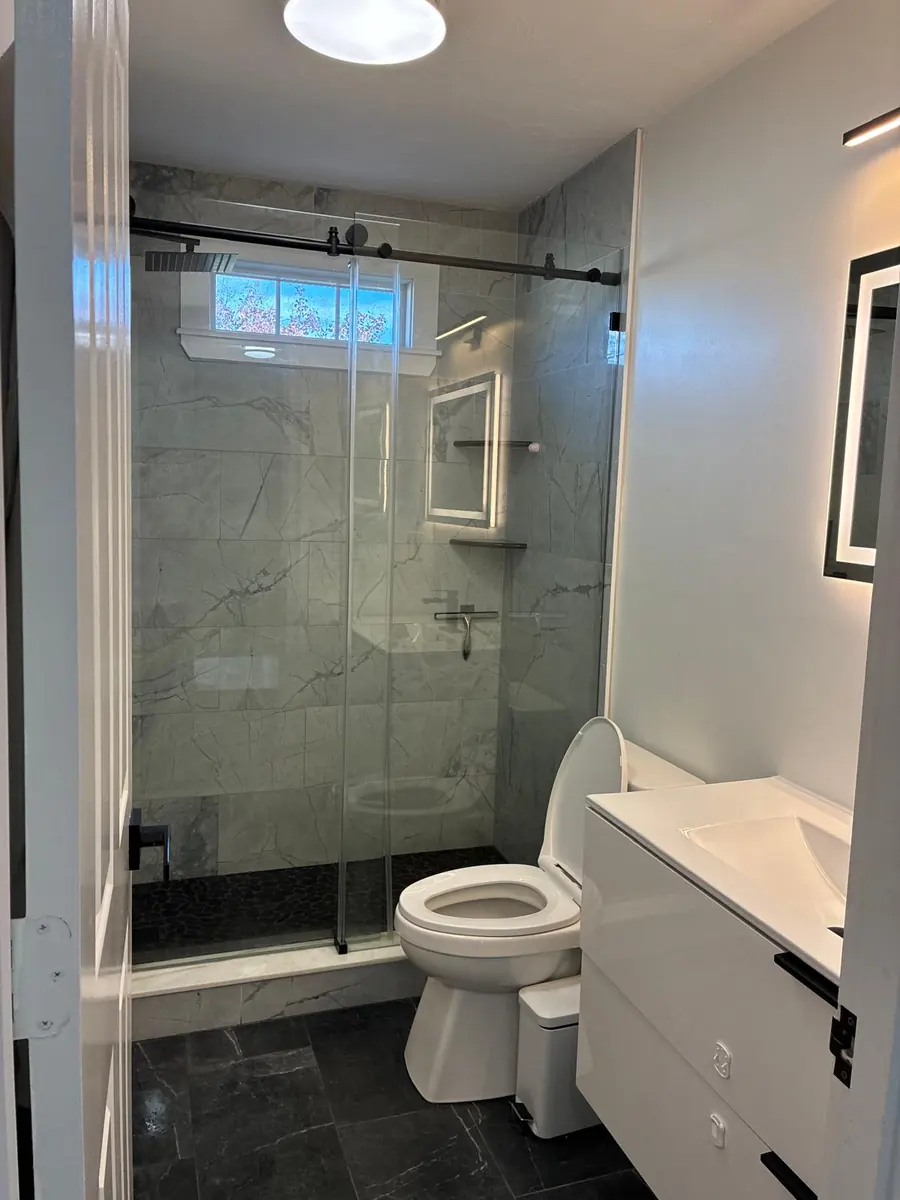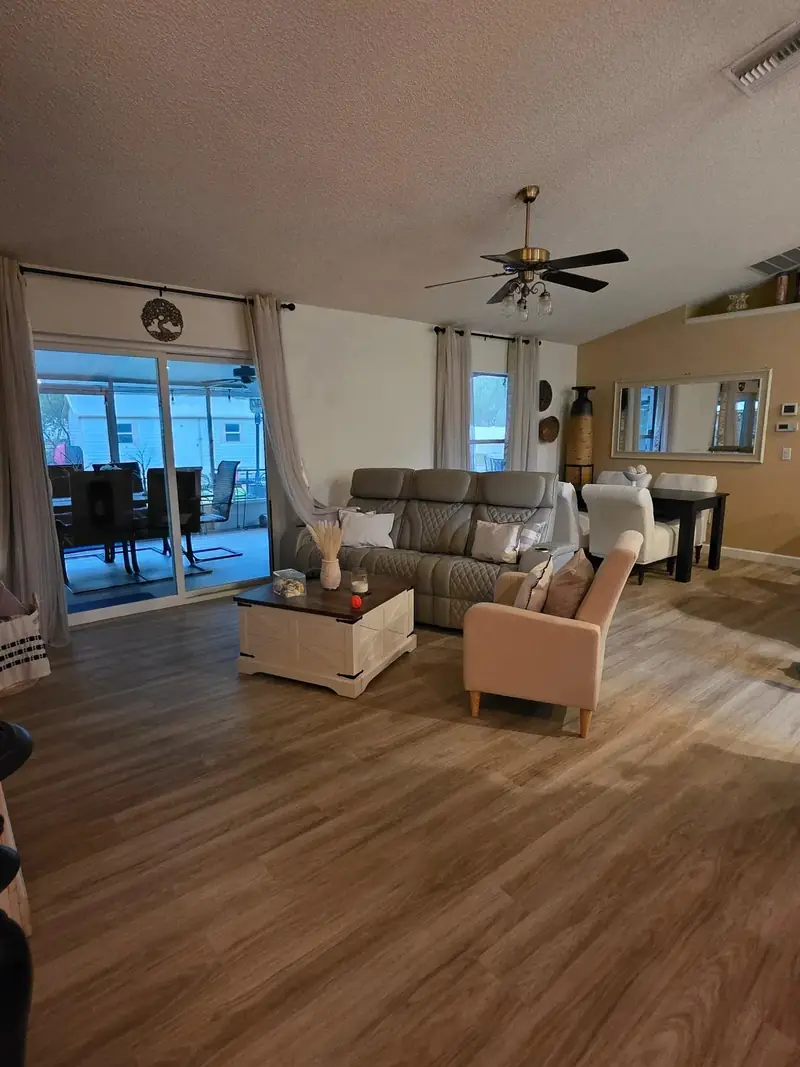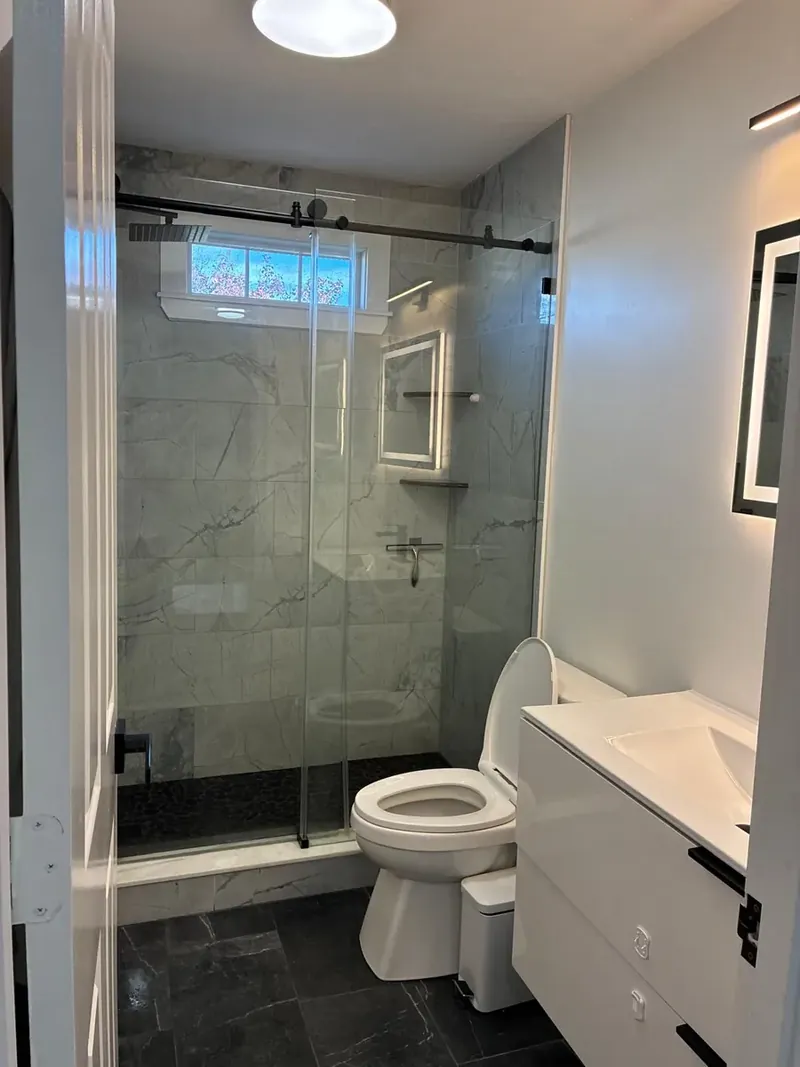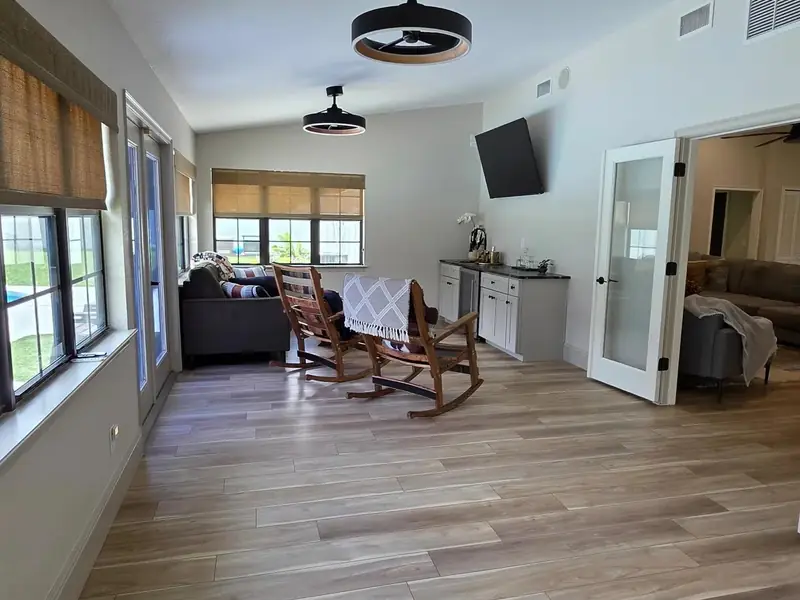
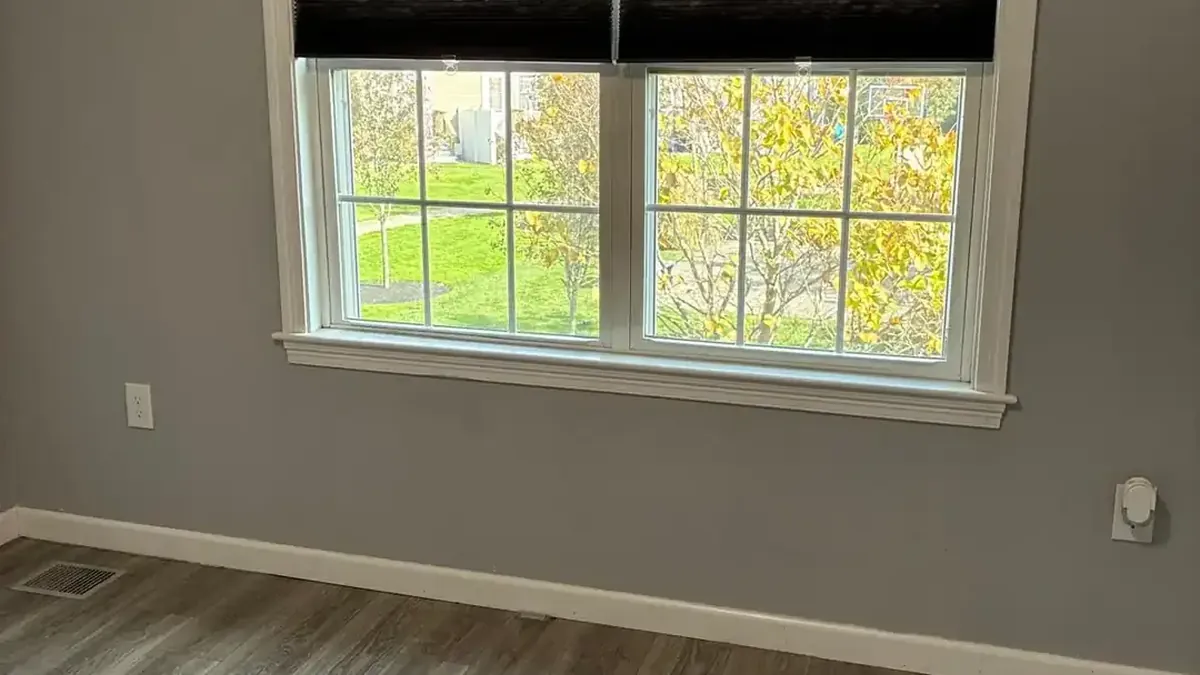
Spring cleaning is a once-a-year, top-to-bottom cleaning of the home, plus the jobs that belong to the change of season: windows and screens, bedding, closets, the entry, outdoor spaces and a few maintenance checks. This spring cleaning checklist walks you through all of it, room by room and job by job.
It is written for homes in Massachusetts, where winter leaves road salt and mud at the door and tree pollen arrives in spring. You will find when to start, what to clean in each room, how to clean without stirring up allergies, what to do about mold, and when it makes sense to hand the work to a spring cleaning service.
We are DBB Cleaning Services INC, a family-owned cleaning company founded in Rockland, Massachusetts, in 2018 and led by Luciana Oliveira. The guidance below is general information you can use on your own. Each fact about health or safety names its source, and the sources are linked at the end.
What is spring cleaning?
Spring cleaning is the practice of thoroughly cleaning a house in the springtime. The practice is especially common in climates with a cold winter. The University of Arkansas Extension describes it as a routine much more extensive than what is done daily, weekly or monthly: a time to clean the house from top to bottom, catch up on forgotten tasks and begin a new routine.
In other words, it is a deep clean with a calendar attached. The cleaning method is the same; what changes is the list of seasonal jobs that come with it.
Why is it called spring cleaning?
Because the tradition is tied to the arrival of spring in several cultures, and because spring was the practical moment to do it. Researchers point to more than one origin. One is Nowruz, the Persian new year, which falls on the first day of spring and is preceded by khaneh tekani, literally “shaking the house”. Another is the Jewish practice of thoroughly cleaning the home before Passover.
There is a practical reason too. In 19th-century America, before vacuum cleaners, March was often the best time for dusting: warm enough to open windows and doors, but not yet warm enough for insects, and windy enough to carry the dust out of the house. That history is summarized, with references, in the Wikipedia article on spring cleaning.
When should you start spring cleaning in Massachusetts?
Start the indoor work in March, and leave the open-window jobs for a day when the pollen count is low. No authority sets a date, but two facts help you plan.
First, March is when the country thinks about it. In the United States, Google searches for “spring cleaning” averaged 8,100 a month over the past year and reached 33,100 in March 2026, according to Google Ads data from October 2026. Searches for “spring cleaning service” peaked a month later, in April.
Second, pollen. In Massachusetts, trees usually release pollen in spring, grasses follow in late spring and summer, and ragweed arrives in late summer and fall. That overlaps with spring cleaning, so the ACAAI advice to keep windows closed during pollen season applies here too.
A simple way to organize the season, as a suggestion:
| Stage | What to do |
|---|---|
| Late winter | Declutter, sort closets and drawers, clean out the pantry and the refrigerator |
| Early spring | Deep clean room by room, wash bedding and curtains, check filters and alarms |
| On a low-pollen day | Wash windows and screens, air out the rooms, clean the entry and outdoor spaces |
Is spring cleaning the same as a deep cleaning?
Not quite. A deep cleaning is the method; spring cleaning is that method plus the seasonal jobs. A deep clean reaches what routine cleaning skips: light fixtures, baseboards, the inside of cabinets, window sills. Spring cleaning adds the tasks the season calls for, such as screens, bedding, the wardrobe swap and outdoor spaces.
At DBB Cleaning Services INC the full spring clean maps to a deep cleaning, which includes the inside of the windows, the sills and blinds, baseboards, doors and floors, the outside of the kitchen cabinets and the inside of the fridge and the oven. The decluttering is yours to do first.
What do you need before you start?
A kit, a plan and two safety rules. Put the supplies in one caddy so they travel with you: microfiber cloths, sponges, a bucket, a mop, a vacuum, a squeegee, dish soap, a floor cleaner and a window cleaner. Our guide to deep cleaning a house has the full cleaning supplies list and the order to follow inside each room.
The safety rules come from the CDC. Never mix bleach or any disinfectant with another cleaner, because the vapors can be very dangerous to breathe. And follow each product’s label, including the gloves or eye protection it recommends.
Then follow the one rule that prevents rework: declutter first, and clean every room from the top down, with the floor last.
Spring cleaning list: a detailed checklist by room
Use this spring cleaning list as your master plan. Each line is a job for this time of year; the sections after the table explain the ones that raise the most questions.
| Area | Spring cleaning jobs |
|---|---|
| Whole house | Dust ceiling corners, fans and light fixtures; wipe doors, switches and baseboards; wash windows, sills and screens; replace air filters; test smoke alarms |
| Kitchen | Empty and wipe cabinets and drawers; clean the oven, the vent hood filter and the microwave; clean out the refrigerator and the pantry; pull out appliances and clean behind them |
| Bathrooms | Scrub the shower, the tub, the tile and the grout; wash or replace the shower curtain and bath mats; clear expired products; check for mold and run the exhaust fan |
| Bedrooms | Wash all bedding in hot water; vacuum the mattress and under the bed; swap winter and spring clothes; donate what you did not wear |
| Living areas | Vacuum sofas and under the cushions; wash or vacuum curtains and blinds; dust shelves and electronics; move furniture and vacuum underneath |
| Entry and mudroom | Wash mats; clean the floor of winter salt and mud; store boots, coats and snow gear |
| Laundry room | Wipe the washer and the dryer; clean the lint filter; clear the shelves |
| Outdoors | Sweep the porch and the patio; wipe outdoor furniture; clear the garage of winter clutter |

How do you spring clean without making allergies worse?
Trap dust instead of moving it, wash bedding hot and keep pollen outside. Spring cleaning stirs up exactly what people with allergies react to. The American College of Allergy, Asthma and Immunology (ACAAI) gives clear guidance for each trigger.
- Dust mites. They live in bedding, mattresses, upholstered furniture and carpets. The ACAAI recommends dust-proof covers on pillows, mattresses and box springs, and washing bedding frequently in hot water of at least 130 degrees Fahrenheit.
- Floors. Clean them with a damp rag or mop rather than dry-dusting or sweeping, so the dust is picked up and not sent into the air.
- Pollen. Keep windows closed during pollen season, especially during the day, and do not hang clothing or sheets outdoors to dry, because pollen clings to them.
- Mold. Clean bathrooms, kitchens and basements regularly, keep them well aired and keep indoor humidity between 30 and 50 percent.
This creates a real conflict, and it is better to name it. The CDC tells you to ventilate while using cleaning products. Allergists tell you to keep the windows shut during pollen season. If pollen affects someone at home, use a fan or the exhaust fans for ventilation, choose products with less odor, and save the open-window airing for a day with a low pollen count.
How do you clean windows, screens and blinds?
Dry dust first, wash second, and work from the top down. The same sequence applies to all three.
- Blinds. Close them and wipe each slat with a dry microfiber cloth, from the top down. Turn them the other way and repeat. For greasy blinds, such as the ones in a kitchen, follow with a cloth dampened with water and a little dish soap.
- Screens. Take them out if they come out easily. Vacuum them with a brush attachment, then wash gently with soapy water, rinse and let them dry completely before putting them back.
- Sills and tracks. Vacuum the loose dirt, then wipe with a damp cloth.
- Glass. Wash with a window cleaner and dry with a squeegee or a clean microfiber cloth. Do the inside and the outside in different directions, one side horizontal and the other vertical, so you can tell which side a streak is on.
These steps are general cleaning practice, not rules from a public agency. If you would rather not do them, the inside of the windows is included in a DBB deep cleaning.
How do you wash bedding, pillows and a mattress?
Wash everything washable in hot water, dry it completely and vacuum what cannot go in the machine. The bed is where dust mites live, which is why it deserves its own step.
- Sheets and pillowcases. Wash in hot water of at least 130 °F, the temperature the ACAAI recommends against dust mites.
- Blankets, comforters and mattress pads. Wash according to the care label. The CDC’s general laundry advice is to use detergent, follow the recommended water temperature and dry items completely.
- Pillows. Read the care label before washing; some pillows are machine washable and others are not. Dry them completely.
- Mattress. Strip the bed, vacuum the top and the sides, and vacuum the floor underneath. Consider a dust-proof cover, as allergists recommend.
- Curtains. Launder the washable ones and vacuum the rest, which is what the CDC advises for soft surfaces.
How often should you wash your sheets the rest of the year? The sources we read say “frequently” and give no number of days, so we will not invent one.
What should you do about mold and mildew?
Clean small patches on hard surfaces with detergent and water, dry them completely and fix the moisture that caused them.
The EPA sets a practical limit: if the moldy area is less than about 10 square feet, roughly a 3-foot by 3-foot patch, in most cases you can handle the job yourself. Its instructions are short:
- Fix plumbing leaks and other water problems as soon as possible, and dry all items completely.
- Scrub mold off hard surfaces with detergent and water, and dry completely.
- Absorbent or porous materials, such as ceiling tiles and carpet, may have to be thrown away if they become moldy.
- Do not paint or caulk over moldy surfaces. Clean and dry them first.
- In a bathroom where mold keeps coming back, increase ventilation by running a fan or opening a window, and clean more often.
For larger areas, a lot of water damage or mold caused by sewage, the EPA says to bring in a professional with experience in that kind of cleanup. That is a different trade from house cleaning.
How do you declutter and switch closets for the season?
Empty one space at a time, keep what you use and give everything a place. The University of Arkansas Extension reduces decluttering to three words: declutter, simplify and repeat. Its test is practical. If an item has no designated spot, or does not fit in a drawer or cabinet because there are too many things, you do not need it.
For the closet cleanout that comes with the change of season:
- Take everything out of one closet or one section.
- Sort into four piles: keep, store until next winter, donate or sell, and discard.
- Wipe the shelves, the rod and the floor while the closet is empty.
- Put back the spring and summer clothes within reach, starting with what you wear most.
- Store winter coats, boots and heavy bedding clean and dry.
Which home maintenance checks belong on a spring list?
Cooling system, air filters and smoke alarms. A spring home maintenance checklist does not have to be long, but these three have dates attached.
- Cooling system. ENERGY STAR recommends a yearly check-up by a contractor and says it is best to check the cooling system in the spring, before contractors get busy in summer.
- Air filters. The same source says to inspect, clean or change the air filter once a month. A dirty filter raises energy costs and can damage the equipment.
- Smoke alarms. The U.S. Fire Administration says to test them every month, replace 9-volt batteries at least once a year and replace the alarms every 10 years.
- Refrigerator. While it is empty, check the temperature. The USDA’s Food Safety and Inspection Service says it should be 40 °F or below.
What about the entry, the patio and the garage?
Start at the door, because that is where winter comes in. Wash or replace the mats, vacuum the grit, then mop the entry floor. Put away boots, shovels and snow gear, and wipe the shelves or hooks they were on.
Outside, sweep the porch and the patio and wipe the outdoor furniture with soapy water before the first warm weekend. In the garage, clear what piled up over the winter and sweep the floor.
How long does spring cleaning take, and can you spread it out?
It depends on the size of the home and how much has built up, and yes, you can spread it out. Nobody can give you an honest number of hours without seeing the house. What works is dividing the list.
The University of Arkansas Extension uses a six-week plan, one type of room per week: kitchen, living room, bedrooms, bathrooms, laundry room, then the entry, halls and extra rooms. If you prefer weekends, this spring cleaning schedule is one way to do it:
| Weekend | Focus |
|---|---|
| 1 | Declutter the whole house and switch the closets |
| 2 | Kitchen and bathrooms |
| 3 | Bedrooms and living areas, including bedding and curtains |
| 4 | Windows, screens, entry, outdoor spaces and maintenance checks |
What are the top 10 spring cleaning tips?
- Declutter before you clean anything.
- Work from the top of each room to the floor.
- Dust and vacuum before you wipe and mop.
- Wash bedding in hot water, at least 130 °F.
- Use a damp cloth or mop instead of dry dusting, to keep dust out of the air.
- Check the pollen count before a day of open windows.
- Never mix cleaning products.
- Clean small mold patches with detergent and water, and fix the moisture.
- Change the air filter and test the smoke alarms while you are at it.
- Split the work over several weekends instead of one exhausting day.
Should you hire a spring cleaning service?
Hire one when your time is worth more to you than the price, or when the list is longer than your weekends. Doing it yourself is free apart from the supplies. A team brings more hands and its own products.
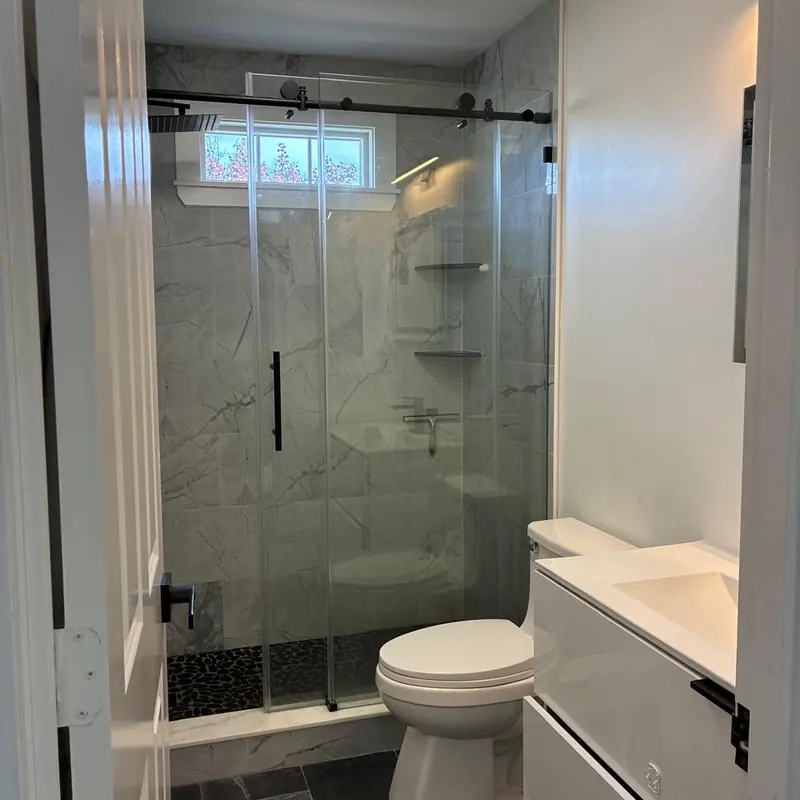
With DBB Cleaning Services INC, spring cleaning in Massachusetts works like this:
- The service: a deep cleaning for the top-to-bottom clean, then regular cleaning to keep it that way.
- What a deep cleaning includes: the kitchen, the bathrooms and the common areas in detail, plus the inside of the windows, baseboards, doors, light fixtures, floors and the cabinet exteriors in the kitchen and the bathrooms.
- What it costs: cleaning starts at $160 per cleaning with the products included. How big the home is, the condition it is in and how much you want done set the final price, which comes in a free, personalized quote. See pricing.
- Extras: the inside of the fridge and the oven are included in a deep cleaning, and $50 each as add-ons to a standard or regular cleaning.
- Who does it: a fully insured, family-owned company with background-checked cleaners, rated 5.0 from 86 Google reviews and backed by a 100% satisfaction guarantee.
- Where: Rockland, Hingham, Cohasset, Duxbury, Boston and the rest of the South Shore, Greater Boston and select Cape Cod towns. Check all service areas.
Once the house is reset, regular cleaning on a weekly, biweekly or monthly schedule keeps it that way until next spring.
Frequently asked questions about spring cleaning
What should be on a spring cleaning list?
A spring cleaning list covers the whole house top to bottom, plus the seasonal jobs: windows and screens, bedding and pillows, closets, the entry, air filters and smoke alarms. The table in this guide breaks it down room by room.
What month is spring cleaning?
There is no official month, but March is when most people think about it. In the United States, Google searches for “spring cleaning” averaged 8,100 a month in the past year and reached 33,100 in March 2026. Historically, March was also the month of choice in 19th-century America, when it became warm enough to open windows and doors.
What is included in a spring cleaning?
A spring cleaning is a deep clean of the whole home plus the jobs tied to the season: windows, screens and blinds, bedding and mattresses, closets and the winter-to-spring wardrobe swap, the entry, outdoor spaces, and maintenance checks such as air filters and smoke alarms.
How much does it cost to spring clean a house?
Doing it yourself costs your time and the supplies. With DBB Cleaning Services INC, regular house cleaning starts at $160 per visit, standard $160 and deep $380, priced per job for the size and condition of the home and the type of cleaning, with cleaning products included. Your free quote gives the price before you book. See pricing. New clients who sign up for recurring cleaning get 15% off their first deep cleaning.
Is spring cleaning still a thing?
Yes. Search interest shows it clearly: “spring cleaning checklist” averaged 4,400 Google searches a month in the United States over the past year and climbed to 18,100 in March 2026.
Should I open the windows while spring cleaning?
It depends on the day. The CDC advises good ventilation when you use cleaning products, while the American College of Allergy, Asthma and Immunology advises keeping windows closed during pollen season. If pollen bothers you, run a fan or an exhaust fan instead, and check the pollen count before opening up.
How often should you wash your sheets?
The allergy guidance we read does not give a number of days. The American College of Allergy, Asthma and Immunology says to wash bedding frequently, in hot water of at least 130 degrees Fahrenheit, to limit contact with dust mites.
Does DBB offer spring cleaning in Massachusetts?
Yes. DBB Cleaning Services INC handles spring cleaning as a deep cleaning, a top-to-bottom clean that includes the inside of the windows, the fridge and the oven. It is available across the South Shore, Greater Boston and select Cape Cod towns.
Sources
- American College of Allergy, Asthma and Immunology: Environmental Allergy Avoidance
- EPA: Mold Cleanup in Your Home
- Wikipedia: Spring cleaning
- University of Arkansas Extension: Torrie’s Top Tips for Deep Cleaning Your House
- CDC: When and How to Clean and Disinfect Your Home
- CDC: Cleaning and Disinfecting with Bleach
- ENERGY STAR: Heating and cooling maintenance checklist
- U.S. Fire Administration: Smoke Alarms
- USDA Food Safety and Inspection Service: Refrigeration and Food Safety