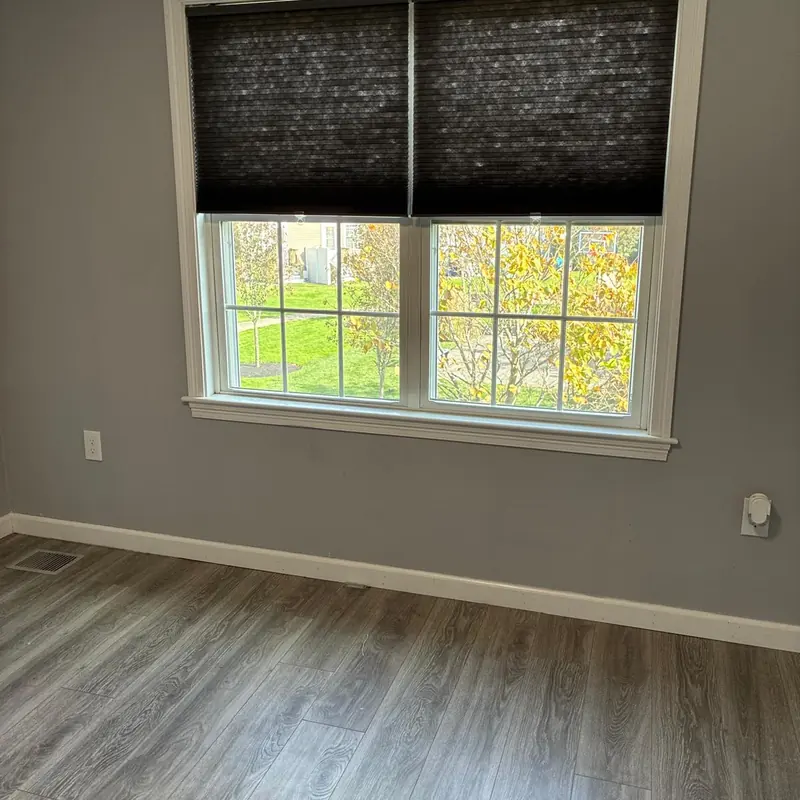
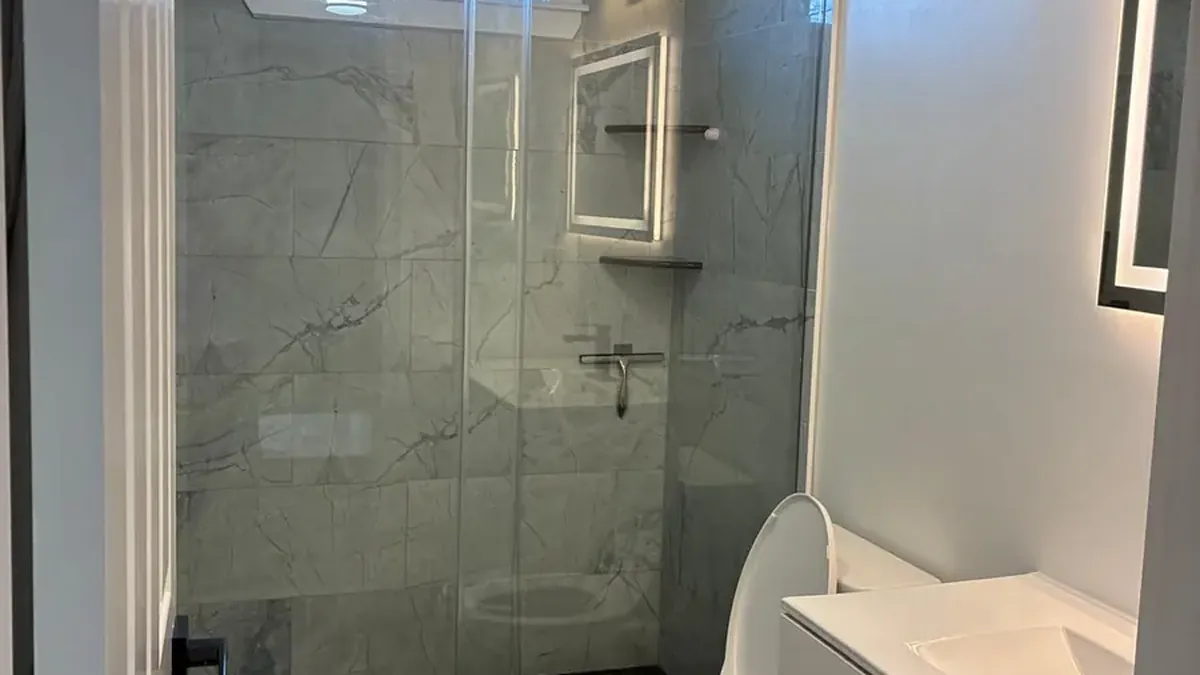
To deep clean a house, declutter first, then take one room at a time and work from the top down: ceiling and light fixtures, walls, doors and windows, furniture and counters, the inside of cabinets and appliances, baseboards, and the floor last. Do the dry work before the wet work, and clean with soap or detergent before you think about disinfecting.
That is how to deep clean a house, in two sentences. The rest of this guide gives you the details: a cleaning supplies list, the order to follow, a deep cleaning checklist by room, the products you should never mix, a schedule for people who cannot do it all in one day, and the point at which hiring a team makes more sense.
We are DBB Cleaning Services INC, a family-owned cleaning company founded in Rockland, Massachusetts, in 2018 and led by Luciana Oliveira. Deep cleaning is one of the seven services we offer. The method below is general guidance you can use on your own, and every public health, safety and university source we relied on is named and linked.
Deep cleaning vs. regular cleaning: what counts as a deep clean?
A deep clean is a top-to-bottom cleaning of a home that reaches the places routine cleaning skips. A regular clean keeps the kitchen, the bathrooms and the rooms you use every day in order. A deep clean goes after the buildup that nobody touches from week to week: the tops of cabinets, the inside of drawers, light fixtures, baseboards, window sills and the floor under the furniture.
The University of Arkansas Extension describes the same idea when it writes about spring cleaning: a much more extensive routine than what is done daily, weekly or monthly, meant to clean the house from top to bottom and catch up on forgotten tasks.
At DBB Cleaning Services INC, a deep cleaning includes the inside of the windows (not the tracks), the window sills and blinds, the baseboards, the doors, the floors, walls wiped where needed, the outside of the kitchen cabinets and the inside of the fridge and the oven. Our page on deep cleaning vs. standard cleaning puts the two side by side.
How often should you deep clean your house?
There is no official rule for how often to deep clean a house. None of the public health sources we read sets a number. What they do say is what to keep up between deep cleans: the CDC recommends cleaning high-touch surfaces such as light switches, doorknobs and countertops regularly, and other surfaces when they are visibly dirty or as needed.
In practice, people deep clean at moments like these:
- when the seasons change, the tradition behind spring cleaning (see our spring cleaning checklist)
- before guests arrive or after a busy period at home
- before starting a recurring cleaning service, so the routine begins from a clean base
- when moving into or out of a home
- after a renovation, which calls for a post-construction cleaning
Between deep cleans, a recurring schedule helps keep the buildup down.
What supplies do you need to deep clean a house?
You need one kit that stays with you from room to room, so you are not walking back and forth. The University of Arkansas Extension, in its deep cleaning guide, suggests this cleaning supplies list:
| Tools | Products |
|---|---|
| Bucket | Dish soap |
| Broom and mop | Floor cleaner |
| Rags and sponges | Furniture cleaner |
| Microfiber cloths | Window cleaner |
| Squeegee | Vinegar and baking soda |
| Spray bottles | Disinfectant, for the cases described below |
Add a vacuum cleaner and a pair of gloves to the kit.
If you would rather use gentler products, look for the EPA’s Safer Choice label. According to the EPA, every ingredient in a labeled product is reviewed against safety criteria for human health and the environment, the product has to perform comparably to conventional ones, and nearly 2,000 products currently qualify.
What should you never mix when cleaning?
Never mix household bleach, or any disinfectant, with another cleaner or disinfectant. The CDC warns that doing so can release vapors that may be very dangerous to breathe in. A stronger mix does not clean better; it only adds risk.
The same CDC guidance gives a short safety routine for any cleaning day:
- Read the label and follow its directions, including the protective equipment it recommends, such as gloves or eye protection.
- Keep the room ventilated: open windows and doors, or run a fan.
- Use one product at a time on a surface, and never combine products in the same bucket or bottle.
- Label any solution you dilute yourself.
- Store products out of the reach of children and pets, and wash your hands when you finish.
If you disinfect with bleach, the CDC says to use regular unscented household bleach with 5% to 9% sodium hypochlorite and to follow the directions on the bottle. When the bottle has none, its formula is 5 tablespoons (1/3 cup) of bleach per gallon of room-temperature water, left on the surface for at least 1 minute. Make a new solution each day, because it loses strength after 24 hours.
In what order should you deep clean a house?
Work from the top of each room to the floor. Dust and crumbs fall as you clean, so anything you clean low before you clean high gets dirty again. The Extension guide recommends starting at the ceiling and working down, moving around the room in a circle so that no corner is skipped.
- Ceiling corners, crown molding and light fixtures. The highest dust falls on everything below.
- Walls, doors, door frames, windows and sills. Drips and dust from here land on furniture and floors.
- Tops of cabinets, shelves, furniture and counters. You cleared them when you decluttered, so now you can reach all of it.
- Inside cabinets, drawers and appliances. Crumbs come out onto the counter and the floor.
- Baseboards. Vacuum them dry first, then wipe.
- Floors. Vacuum or sweep, then mop. Everything from the earlier steps has ended up here.
Before step one comes decluttering. The same guide puts it simply: declutter, simplify and repeat in every room, and donate or sell what you have in duplicate. With the surfaces clear, the cleaning itself goes faster.
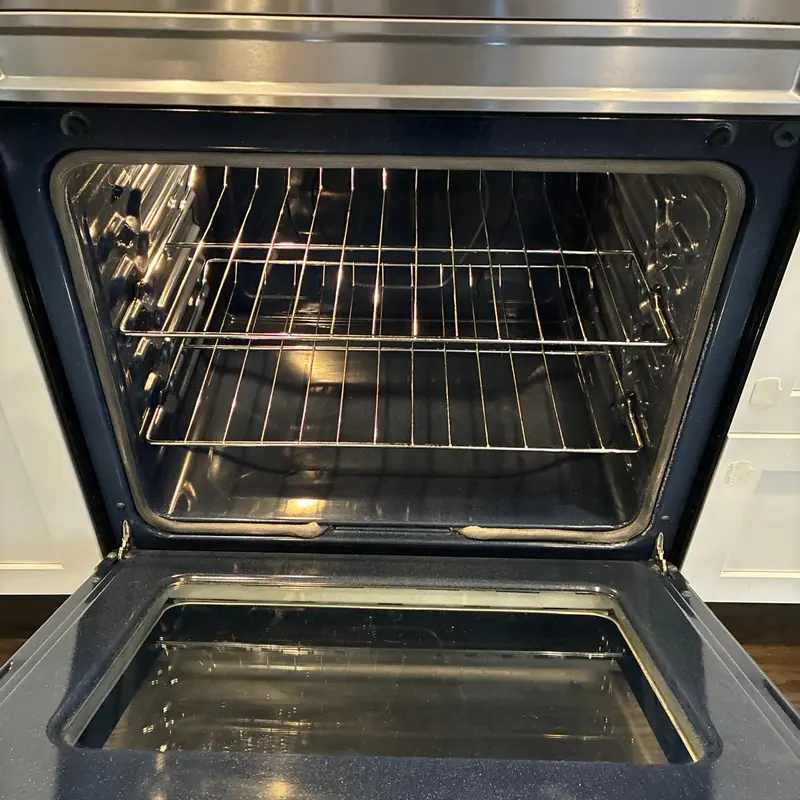
Should you dust or vacuum first?
Dust first, and vacuum the floor last. Dusting sends particles down, so the floor has to wait until every surface above it is done.
There is one exception worth knowing. The University of Arkansas Extension advises vacuuming highly dusty areas, such as baseboards and the tops of cabinets, while they are still dry. If a wet rag or sponge gets there first, the dust is spread to other areas instead of being removed. So the sequence is: dry dusting and spot vacuuming from the top down, then wet wiping, then the full vacuum and mop of the floor.
Deep cleaning checklist: how to deep clean your house room by room
Use this deep clean house checklist with the order above: inside each room, start with the first item and work down the list.
Kitchen deep clean checklist
The kitchen has the most steps, because grease settles on every surface near the stove. This sequence follows the kitchen week of the Extension guide:
- Dust the ceiling and crown molding, and clean the light fixtures.
- Wipe the tops of the cabinets and of the refrigerator.
- Clean door and window frames, windows and window sills.
- Wipe cabinet doors and drawer fronts, then the countertops and the backsplash.
- Empty, declutter and wash the inside of cabinets and drawers.
- Clean the vent hood and its filter, the stove top and the knobs.
- Clean the oven and the microwave.
- Clean out the refrigerator, the freezer and the pantry, and discard expired food.
- Clean the sink, the garbage disposal and the dishwasher, removing its removable parts.
- Wash the trash cans.
- Pull out the oven and the refrigerator, if you can do it safely, and clean behind them.
- Vacuum, then wash, the baseboards. Sweep or vacuum the floor, then mop.
While the refrigerator is empty, check its temperature. The USDA’s Food Safety and Inspection Service says refrigerators should be set to maintain 40 °F or below, and suggests keeping an appliance thermometer inside if yours has no built-in one.
Bathroom deep clean checklist
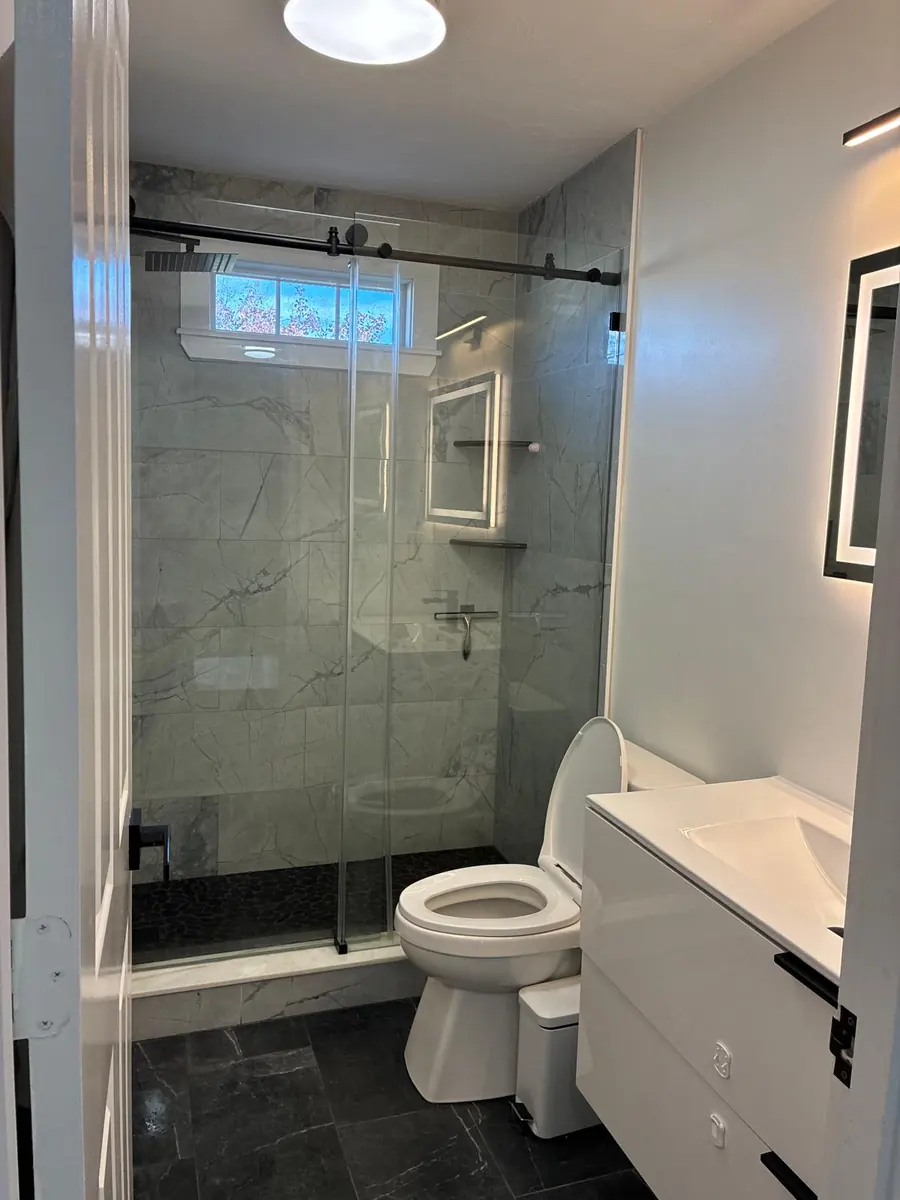
Bathrooms collect soap film and moisture. To deep clean a bathroom, follow the same top-down logic:
- Dust the ceiling corners, the exhaust fan cover and the light fixtures.
- Wipe door frames, the door and the window sill.
- Clean the tops of mirrors and cabinets, then the mirrors themselves.
- Apply cleaner to the shower, the tub, the tile and the glass, and give it the time on the label before scrubbing.
- Empty the cabinets and drawers, wipe the inside and throw out expired products.
- Clean the sink, the faucet and the counter.
- Clean the toilet, including the base and the area behind it.
- Wash bath mats and the shower curtain, if they are washable.
- Wipe the baseboards, then vacuum and mop the floor.
Bedroom deep clean checklist
In a bedroom, most of the work is dust and fabric:
- Dust the ceiling fan, the light fixtures and the corners of the ceiling.
- Wipe door frames, doors, window sills and blinds.
- Clear and dust the tops of furniture, shelves and headboards.
- Sort the closet and the drawers, and set aside what you no longer use.
- Wash the bedding. For laundry, the CDC’s advice is to use detergent, follow the recommended water temperature and dry items completely.
- Move the bed and the furniture you can move, and vacuum underneath.
- Wipe the baseboards, then vacuum the floor or the carpet.
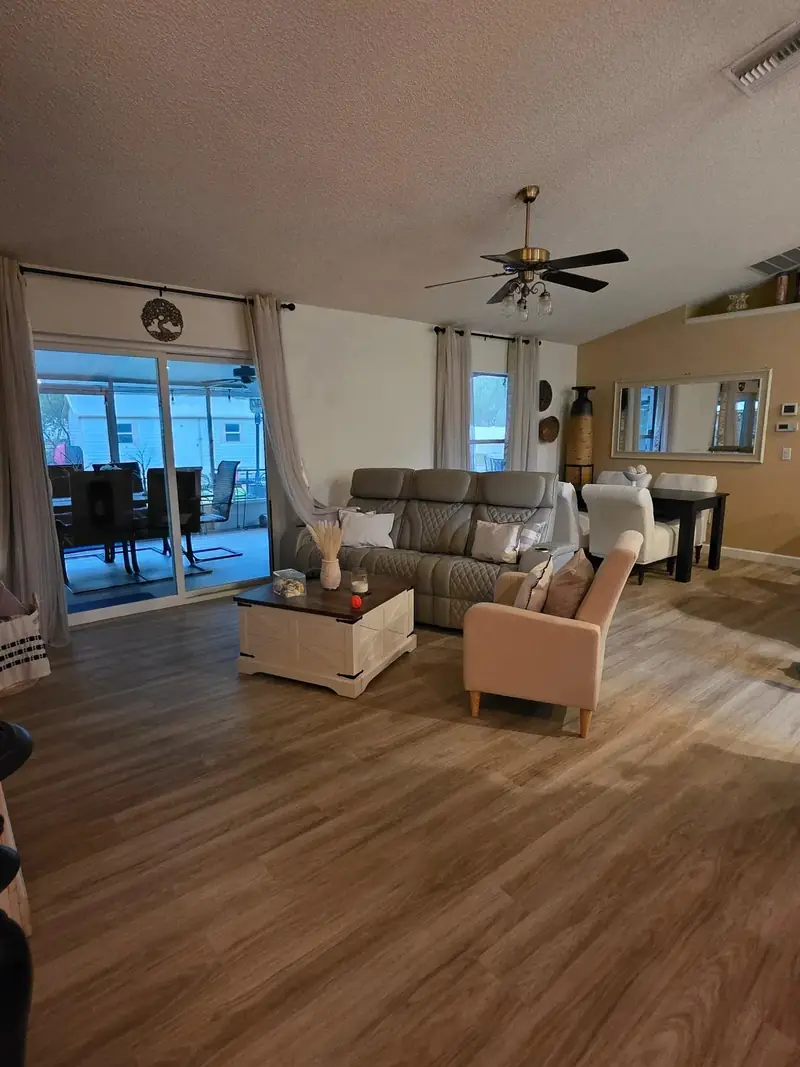
Living room and common areas
- Dust ceiling fans, light fixtures, vents and the tops of door frames.
- Clean window sills, windows and the tracks of sliding doors.
- Dust shelves, picture frames, lamps and electronics. For phones, remotes and screens, the CDC says to follow the manufacturer’s cleaning instructions.
- Vacuum sofas and chairs, including under the cushions.
- For rugs and drapes, use products meant for soft surfaces, launder what can be laundered and vacuum the rest, as the CDC advises.
- Wipe light switches, doorknobs and handrails, the high-touch surfaces of the house.
- Wipe the baseboards, then vacuum and mop.
Laundry room, entry and halls
- Wipe the outside of the washer and the dryer, and clean the lint filter.
- Clear and wipe shelves, then put back only what you use.
- In the entry, wipe the door, the handle and the frame, and shake out or wash the mats.
- In halls and on stairs, dust the fixtures, wipe the handrails and the baseboards, and finish with the floor.
How do you clean the spots most people skip?
Baseboards, ceiling fans, window sills and walls are the areas a routine clean rarely reaches, and they are what separates a deep clean from a regular one. The rule is the same for all four: remove the dry dust first, then wipe with a damp cloth.
- Baseboards. Vacuum along the top edge with a brush attachment, then wipe with a cloth dampened with water and a little dish soap. The Extension guide lists it exactly that way: vacuum, then wash.
- Ceiling fans. Turn the fan off and wipe each blade toward you with a dry cloth, so the dust lands in the cloth and not on the bed or the sofa. Then wipe once more with a damp cloth.
- Window sills and tracks. Vacuum the loose dirt first. Wipe the sill, then clean the glass, and dry the sill at the end.
- Walls and doors. Dust from the top down, then spot clean marks with a damp cloth and a mild soap. Test a hidden corner first, because some paints do not tolerate scrubbing.
- Light fixtures. Switch them off and let the bulbs cool. Dust the outside, and wash removable glass covers by hand.
Clean, sanitize or disinfect: what is the difference?
Cleaning removes dirt and most germs; sanitizing and disinfecting use chemicals to kill what is left. A deep clean is mostly cleaning. The table below combines the definitions of the EPA and the CDC.
| Action | What it does | When you need it at home |
|---|---|---|
| Cleaning | Removes dirt and most germs with soap or detergent, water and scrubbing | Always, and always first |
| Sanitizing | Reduces the bacteria that remain after cleaning, with a weaker bleach solution or a sanitizing product | For example, kitchen surfaces touched by raw meat or poultry |
| Disinfecting | Kills most of the viruses and bacteria that remain after cleaning, with a stronger solution or an EPA-registered disinfectant | When someone at home is sick or at higher risk of getting sick |
Two details make the difference in practice. First, a dirty surface cannot be disinfected properly: the CDC explains that impurities like dirt make it harder for chemicals to reach the germs. Second, a disinfectant needs time. The surface has to stay wet for the contact time on the label.
Which small safety jobs belong in a deep clean?
A deep clean is a good moment for tasks that have nothing to do with scrubbing but are easy to forget.
- Smoke alarms. The U.S. Fire Administration says to test smoke alarms every month, replace 9-volt batteries at least once a year and replace the alarms themselves every 10 years.
- Air filters. ENERGY STAR recommends inspecting, cleaning or changing the air filter of a central air conditioner, furnace or heat pump once a month, because a dirty filter raises energy costs and can damage the equipment.
- Expired items. Food is not the only thing that expires. The Extension guide reminds readers to check spices, beauty products and other household supplies.
- Liners. Parchment paper on top of the cabinets and liners in the drawers make the next deep clean easier.
Can you deep clean a house in one day?
Sometimes, but it depends on the size of the home, the buildup and how many people help. If you want to deep clean a house in one day, declutter the day before, start with the kitchen and the bathrooms while you have the most energy, and keep everyone working top to bottom in separate rooms.
If one day is not realistic, use a deep cleaning schedule. The University of Arkansas Extension spreads the work over six weeks, one type of room per week:
| Week | Area |
|---|---|
| 1 | Kitchen |
| 2 | Living room |
| 3 | Bedrooms |
| 4 | Bathrooms |
| 5 | Laundry room |
| 6 | Entry, halls and extra rooms |
How do you deep clean an apartment?
Exactly the same way, on a smaller scale. An apartment deep cleaning checklist has the same rooms and the same order; there is simply less floor and fewer rooms. Pay extra attention to the kitchen and the bathroom, where grease and soap film build up, and to window tracks and balcony door tracks.
If you rent, read the lease before you start, especially if the deep clean is part of moving out. DBB Cleaning Services INC cleans houses, apartments and condos.
Should you deep clean a house before moving in?
An empty home is the easiest home to deep clean, because nothing is in the way: you can reach the inside of every cabinet and closet, the baseboards and the whole floor. If you are deep cleaning before moving in, do it before the boxes arrive and follow the same top-to-bottom order, starting with the kitchen and the bathrooms.
For an empty home at the start or the end of a lease, DBB offers a separate move-in and move-out cleaning, which covers the inside of the windows and, unlike a deep cleaning, the inside of the cabinets and drawers.
What are the most common deep cleaning mistakes?
- Starting with the floor. It will be dirty again by the time you finish the room.
- Wiping before dusting. A wet cloth on a dusty surface makes streaks and spreads the dust.
- Cleaning around clutter. Clear the surface first, or you are only cleaning part of it.
- Mixing products. The CDC says never to mix bleach or disinfectants with other cleaners.
- Disinfecting a dirty surface. Clean first; dirt keeps the product from reaching the germs.
- Wiping the disinfectant off right away. It needs the contact time on the label.
- Working with the windows closed. Ventilation is part of the CDC’s safety guidance.
Should you deep clean yourself or hire a house deep cleaning service?
Doing it yourself costs time and energy; hiring costs money. A professional deep clean house service makes sense when you are short on time, when the buildup is more than you want to face, or before a special occasion.
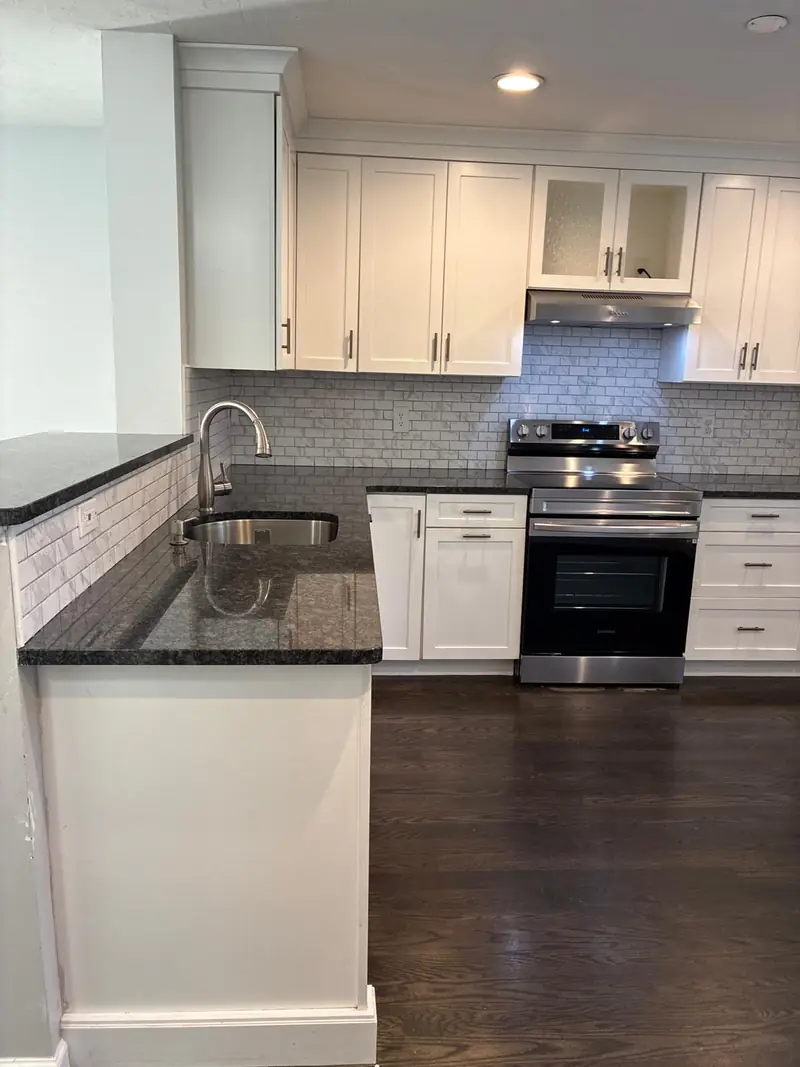
This is how a deep cleaning with DBB Cleaning Services INC works:
- What is included: the kitchen, the bathrooms and the common areas in detail, plus the inside of the windows (not the tracks), the sills and blinds, baseboards, doors, floors, walls wiped where needed, the outside of the kitchen cabinets and the inside of the fridge and the oven.
- What is already in it: the inside of the fridge and the oven, the windows inside, the blinds and the baseboards. Anything else can be asked for with your quote; see the add-ons.
- What it costs: regular house cleaning starts at $160 per visit, standard $160 and deep $380, priced per job for the size and condition of the home and the type of cleaning, with cleaning products included. Your free quote gives the price before you book. See pricing.
- Who does it: a fully insured, family-owned company with background-checked cleaners, rated 5.0 from 86 Google reviews and backed by a 100% satisfaction guarantee.
- Where: Rockland, Hingham, Cohasset, Duxbury, Boston and the rest of the South Shore, Greater Boston and select Cape Cod towns. Check all service areas.
After a deep clean, you can keep the result with regular cleaning on a weekly, biweekly or monthly schedule.
Frequently asked questions about deep cleaning a house
What is the best way to deep clean an entire house?
Declutter first, then work one room at a time from the top down: high surfaces and light fixtures, walls and doors, furniture, counters and the inside of the appliances, baseboards and the floor last. Do the dry work before the wet work, and clean before you disinfect.
What is the 80/20 rule in house cleaning?
It is the idea that a small share of the work makes most of the visible difference. In most homes that means the kitchen, the bathrooms, the floors and the entry. Do those first when time is short, and save the rest of the deep cleaning checklist for a longer session.
What are common cleaning mistakes that make a home dirtier?
Dusting after vacuuming, using a dirty cloth or mop, spraying cleaner straight onto electronics or wood, skipping the dwell time a disinfectant needs, and mixing products. Cleaning top to bottom with fresh cloths avoids most of them.
What does a deep clean include for a house?
A deep clean covers everything a regular clean does, plus the places that routine skips: ceiling corners and light fixtures, walls and doors, window sills, the tops and the inside of cabinets, appliances, baseboards and the floor under furniture. At DBB Cleaning Services INC, a deep cleaning includes the inside of the windows, the sills and blinds, baseboards, doors, floors, the outside of the kitchen cabinets and the inside of the fridge and the oven.
What is the correct order for cleaning a room?
Clear the clutter, then go from the top of the room to the bottom: ceiling and light fixtures, walls, doors and windows, furniture and counters, the inside of cabinets, baseboards, and the floor last. Do the dry work, dusting and vacuuming, before the wet work.
Do I have to disinfect everything during a deep clean?
No. According to the CDC, cleaning with soap or detergent removes most germs from surfaces, and disinfecting at home is likely not needed unless someone is sick or at higher risk of getting sick. When you do disinfect, clean the surface first.
How long does it take to deep clean a house?
It depends on the size of the home, how much has built up, how many people are working and which extras you include, so no single number is honest. If you hire DBB Cleaning Services INC, the visit is not priced on a fixed number of hours, and the free quote gives the price for your home before you book.
How do professionals deep clean a house?
With the same logic described in this guide: one room at a time, from the top down, dry work before wet work and the floor at the end. A professional team brings more hands, a set routine and its own products.
Is a deep clean worth it before starting regular cleaning?
Yes. Regular cleaning is upkeep, so it works best on a home that has already been cleaned in depth. DBB Cleaning Services INC recommends a deep cleaning as the first visit before a weekly, biweekly or monthly schedule.
What does DBB charge for a deep cleaning?
At DBB Cleaning Services INC, a deep cleaning starts at $380, and the cleaning products are included. The final price of a deep cleaning depends on the size and condition of your home, and it already includes the inside of the fridge and the oven. A free, personalized quote tells you the price before the cleaning. New clients who sign up for recurring cleaning get 15% off their first deep cleaning.
Sources
- CDC: When and How to Clean and Disinfect Your Home
- CDC: Cleaning and Disinfecting with Bleach
- EPA: What’s the difference between products that disinfect, sanitize, and clean surfaces?
- EPA: Learn About the Safer Choice Label
- University of Arkansas Extension: Torrie’s Top Tips for Deep Cleaning Your House
- ENERGY STAR: Heating and cooling maintenance checklist
- U.S. Fire Administration: Smoke Alarms
- USDA Food Safety and Inspection Service: Refrigeration and Food Safety